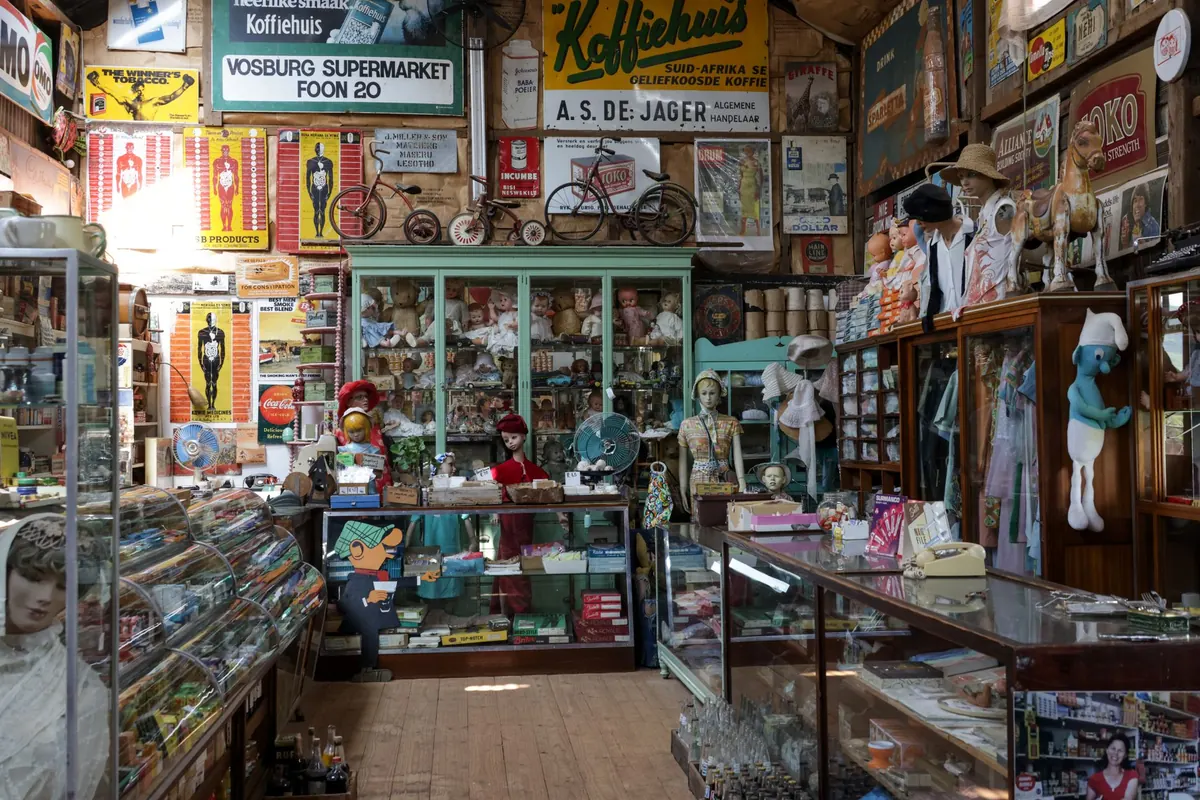
Every collection begins with one object you couldn't put down: a hag stone with a hole worn through it, a tin of gramophone needles, a belemnite picked off a beach. The trouble is that the second, third and tenth objects usually arrive before you've decided where the first should live. A cabinet fixes that. It gives a stray key, a pressed penny and a wasp nest found in the loft somewhere to be — and it quietly sets a boundary around the whole project.
None of this has to be expensive. What it needs is a case that suits your room, a spending limit you'll keep, and a bit of discipline about what earns a place on the shelf.
Work out what you're collecting before you buy shelves
A cabinet that's wrong for your curios is the most common early mistake. A deep Victorian bookcase will swallow a collection of pin badges. A shallow wall case is useless for a brass door knocker.
Measure your objects, not just the wall. Note the height of the tallest piece and the depth of the widest, then add a couple of centimetres of breathing room. If you're drawn to small, flat things — matchbox labels, coins, cigarette cards, postcards — look for shallow shelves or a printer's tray, which gives you dozens of tiny compartments for very little money. If your taste runs to bigger objects, a glazed wall cabinet or a tabletop case with two or three generous shelves will look better than a crowded dresser.
Think about where it will stand, too. Direct sunlight fades paper, fabric and feathers, and a radiator will dry out wood and loosen anything glued.
Finding a cabinet on a small budget
Second-hand first
Charity furniture shops, house clearances, local auction rooms and online marketplaces are the usual hunting grounds. Check these before you commit:
- Glass: tap it gently and look for cracks, chips and cloudy patches. A single flat pane is easier and cheaper to replace than a curved or bevelled one.
- Woodworm: look for small round holes and fine dust beneath. If you're unsure, walk away.
- Doors and hinges: open and close them a few times. Sagging doors are fixable; missing keys less so.
- Shelves: removable shelves are far more useful than fixed ones.
- Practicalities: will it fit through your front door, up the stairs and past the turn on the landing?
Flat-pack and furniture hacks
A basic glass-fronted cabinet from a flat-pack range, a wooden wine crate turned on its side, an old printer's drawer mounted on the wall, a bell jar over a single prized object — all do the job. A plain shelf with a strip of LED lighting and a painted backdrop can look deliberate and clean for very little outlay.
Set a limit you'll actually keep
Keep two budgets separate: one for the cabinet, one for the curios. The cabinet is furniture. It comes out of the household pot and you buy it once. The curios come out of pocket money, and they never stop arriving.
A few rules that work:
- Decide a monthly figure and write it down. A small sum spent deliberately beats a bigger one spent on impulse.
- Use a separate jar, envelope or savings pot, so the money is visibly spent when it's gone.
- Wait 48 hours before buying anything online. If you still want it, buy it.
- One in, one out. If the cabinet is full, something leaves.
- Add up the true cost. Postage, packing, travel, a buyer's premium at auction and VAT on that premium can push a modest hammer price well above what you expected. Read the terms before you bid, and remember that a "free" item three counties away is not free.
If you're considering a piece with a serious price tag or a claim to real value, take proper advice before you spend. Collecting is a hobby; treating it as an investment is a different, riskier business.
Displaying oddities without clutter
Group by one thing at a time
Colour, material, size, era, or the story behind them. A row of pale objects, a shelf of metal, a cluster of seaside finds. Grouping gives the eye a reason to rest and makes even a strange assortment look intentional.
Leave gaps on purpose
Museum displays rarely fill every centimetre. Aim for roughly two-thirds filled, one-third empty. Space around an object is what makes it look important rather than stored.
Use height and risers
Small objects look lost on a big shelf. Lift them: an upturned wooden box, a stack of two books, a clear acrylic riser, a square of felt. Vary heights along the shelf and the whole thing reads as a display rather than a row.
Label a few things, not everything
Small handwritten cards — "hag stone, Cornwall, 2019" — add a great deal and cost almost nothing. Do it for the pieces with a story. A label on every object starts to look like a shop.
Care, safety and the boring bits
Dust with a soft brush rather than a cloth, which can catch on delicate edges. Keep everything out of direct sun. Metals tarnish faster in damp rooms, so a few silica gel packets in an enclosed case help; recharge them as the instructions say. Wool, feathers and textiles appeal to moths, so check anything from a house clearance before it goes on the shelf.
Secure a tall cabinet to the wall, and use museum putty or a small pad under anything that could slide. If your collection starts to grow in value, ask your home insurer what's covered and whether a valuation would help.
Start with one shelf tonight
Before you buy anything, clear a single shelf or the top of a chest of drawers. Put three objects on it — the ones you'd keep if everything else had to go. Live with them for a week and notice what you actually look at. That tells you whether you need shallow compartments or tall shelves, and what size of cabinet to hunt for.
Then set your monthly limit, start looking in charity shops and auction rooms with that number in mind, and buy the case that fits what you already own. The collection will grow slowly and look deliberate. That's the whole trick.
Photo: niittymaa / Pixabay