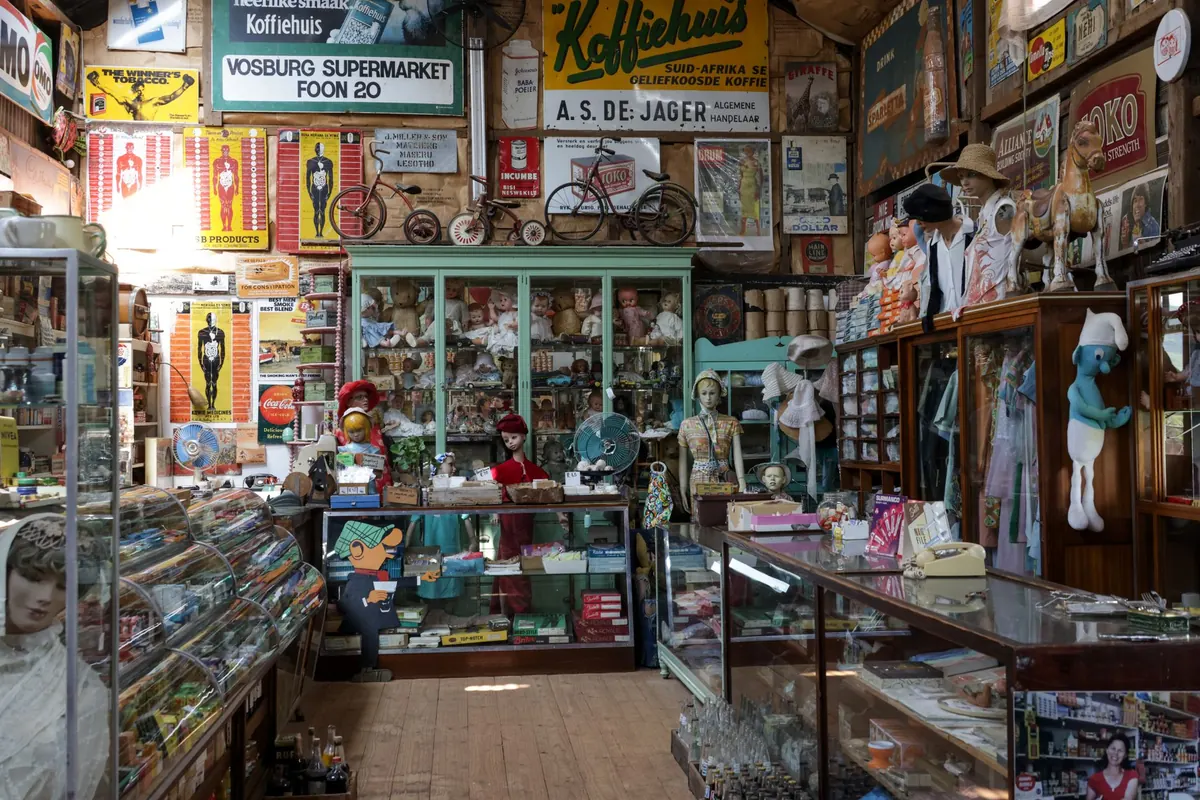
Before there were museums, there were rooms. In sixteenth- and seventeenth-century Europe, a physician in Naples, a gardener in Lambeth and an emperor in Prague were all doing roughly the same thing: filling a space with objects that had no business sitting together. A coral branch next to a Roman coin. A stuffed crocodile above a drawer of seeds. A shark's tooth the size of a hand, resting on a velvet cushion. These were cabinets of curiosity, and they set the template that every museum since has been arguing with.
A cabinet was a room, not a cupboard
The word is deceptive. In Renaissance Europe, a cabinet meant a small private room, and by extension the collection kept inside it. Germans called it a Wunderkammer, a chamber of wonders; the more art-minded said Kunstkammer; Italian scholars retreated to a studiolo. None of these implied furniture. They implied a place you went into, closed the door and looked.
Collectors came from stranger walks of life than you might expect. Ferrante Imperato was an apothecary in Naples whose 1599 catalogue shows his room with a crocodile suspended from the ceiling. Ole Worm was a Danish physician whose collection was catalogued in 1655. Athanasius Kircher assembled instruments and exotica in Rome. Rudolf II turned a wing of Prague Castle into a Kunstkammer on a scale few could match, but the appetite ran all the way down the social ladder. John Tradescant, a working gardener, kept the Ark at Lambeth, one of the great collections of the age.
What actually went in
Catalogues from the period tend to sort objects into four overlapping piles:
- Naturalia — things the earth produced: minerals, fossils, shells, dried plants, preserved animals, seeds, coral.
- Artificialia — things people made: coins, medals, carved ivories, clocks, glass, armour, mechanical toys.
- Exotica — things from elsewhere, which in practice meant anything a sailor, merchant or missionary brought back.
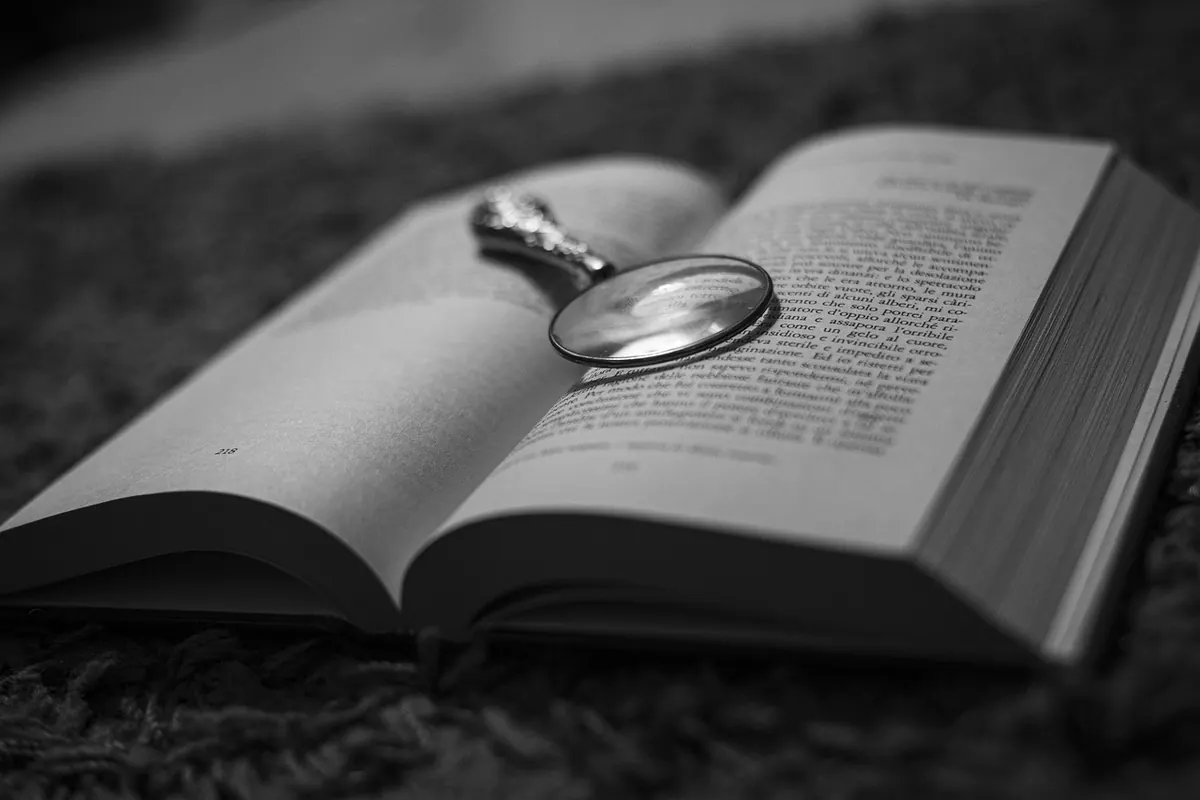
- Scientifica — instruments and apparatus: astrolabes, globes, microscopes, magnifying glasses, measuring devices.
The categories were loose and the boundaries shifted constantly. A coconut mounted in silver was naturalia and artificialia at once, and nobody lost sleep over it.
Wonder first, order later
A cabinet was an argument as much as a display. Many collectors believed the world was a kind of book or theatre, and that gathering samples of it was a way of reading. The arrangement was often symbolic rather than scientific — the crocodile hung high because it belonged to the airy, monstrous reaches of creation, not because it was a reptile.
Then the mood changed. As the seventeenth century gave way to the eighteenth, naturalists such as John Ray and Carl Linnaeus pushed classification towards something rigorous and repeatable. Botanical gardens and herbaria took over from private rooms. Wonder, which had been the point, started to look amateurish, and the word "curiosity" acquired a faint sneer that it has never quite lost.
It is worth remembering how much of the old material was simply wrong. Narwhal tusks were sold as unicorn horns. Fossil bones were read as the remains of giants. Bezoar stones were prized as antidotes to poison. Some of that was fraud, and some was honest guesswork by people working without the tools to know better.
How private rooms became public museums
Collections outlive collectors, and their endings shaped ours. The Tradescant collection passed to Elias Ashmole and formed the basis of the Ashmolean Museum, which opened in Oxford in 1683 and is generally described as the first university museum. Sir Hans Sloane's bequest to the nation led to the founding of the British Museum in 1753; it opened to visitors in 1759. Peter the Great's Kunstkamera in St Petersburg was built with public viewing in mind from the start.
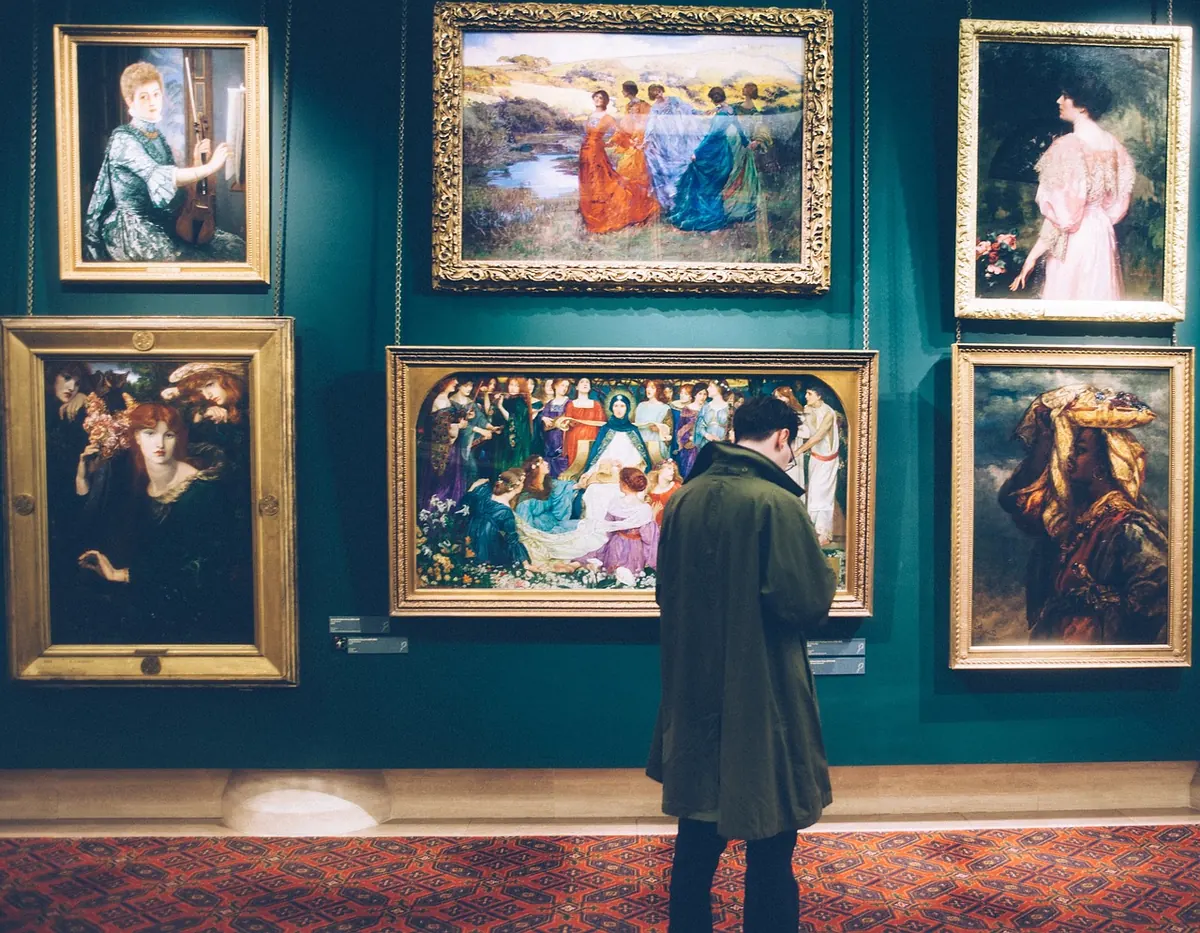
Once collections belonged to institutions rather than families, they had to be justified. Wonder was not enough. The nineteenth century split the old rooms apart: paintings to the gallery, birds and beetles to the natural history museum, masks and weapons to the ethnographic collection, manuscripts to the library. That division is why you may now need to cross a city to see objects that once sat on the same shelf.
What the cabinets got wrong
Plenty. Many collections were built on objects taken by force or acquired through colonial and missionary networks, and some contained human remains displayed without consent. Museums are still working through that inheritance, and debates about restitution are live rather than settled. The other failure was drift: curiosity slid easily into spectacle, and the travelling show, the dime museum and the freak exhibit all fed on the same appetite that filled the Wunderkammer.
For anyone collecting today, that history is practical, not abstract. Check where an object came from before you buy it, and be wary of anything with no story attached. Antiquities, natural history specimens and any material from protected species are governed by rules that vary by country; if a purchase is expensive or the paperwork is vague, take proper advice before money changes hands.
Why the idea still works
The cabinet of curiosities has survived because it is honest about why people collect: not to complete a set, but to keep looking. It rewards arrangement over spending. A shelf of finds from one beach, labelled with the dates you found them, can hold more interest than a case of bought objects. It crosses disciplines by default, which is where the best conversations start. And it is a fundamentally domestic form — you do not need a museum, only a table, a light and a willingness to leave things slightly unexplained.
Starting your own cabinet
You do not need much. You need a theme, a way of keeping records, and a bit of care about light and damp.
- Choose a spine. One loose theme — shorelines, tools, maps, seeds, things found on walks — makes a collection read as a sentence rather than a pile. Two themes with a gap between them can work beautifully, but three becomes clutter.
- Write the label before you forget. An index card with where and when you found or bought it, who gave it to you, what it cost and what you think it is. Add corrections later. Provenance is the difference between a collection and a drawer of stuff.
- Mind the conditions. Keep prints, textiles and feathers out of direct sun. Keep metals dry. Do not seal damp organic material in a closed box, and do not store anything edible near a collection that moths and beetles might fancy.
- Rotate and handle. A cabinet you never open becomes a cupboard. Take things out, turn them over, show them to someone. Objects keep their interest when they are handled with care.
- Stay curious about the rules. Protected species, archaeological finds and items with unclear ownership all come with obligations. If in doubt, ask before you buy.
Keep the wonder and drop the fantasy. The objects in a good cabinet are real, and so is what they can tell you about where they came from and how they got to your table.
Photo: Magda Ehlers / Pexels